
Zen2.0 will mark its tenth year by expanding beyond a single conference format into Mindful City Kamakura Week, an eight day program running from November 14 to 21. More than 30 participating exhibitors and hosts will bring contemplative activities into different parts of Kamakura, turning the Japanese city itself into the setting for practice, dialogue and community exchange.
The week carries the theme Wa, presented by the organizers as harmony and resonance among all things. It also introduces four anniversary events alongside the wider city program. These gatherings will take place at the Kamakura Noh Theatre, Kirara Kamakura and Kenchoji Temple, with one session connecting artificial intelligence and the liberal arts.
From annual conference to citywide program
Zen2.0 has held an international conference on Zen and mindfulness in Kamakura each autumn since 2017. Its established gathering at Kenchoji Temple has brought together teachers, researchers and practitioners from Japan and abroad to explore consciousness, meditation and the relationship between contemplative traditions and contemporary life.
Mindful City Kamakura Week changes the scale and rhythm of that model. Rather than asking participants to remain at one venue for a concentrated conference, the program distributes activities across a full week and multiple local settings. The anniversary events provide shared focal points, while the larger group of contributors allows smaller encounters to take place throughout the city.
Four dates anchor the anniversary
The opening special event is scheduled for the afternoon of November 14 at the Kamakura Noh Theatre. A second gathering follows at Kirara Kamakura on November 18, with the AI and liberal arts program at the same venue on November 20. The final anniversary event will occupy a full day at Kenchoji Temple on November 21.
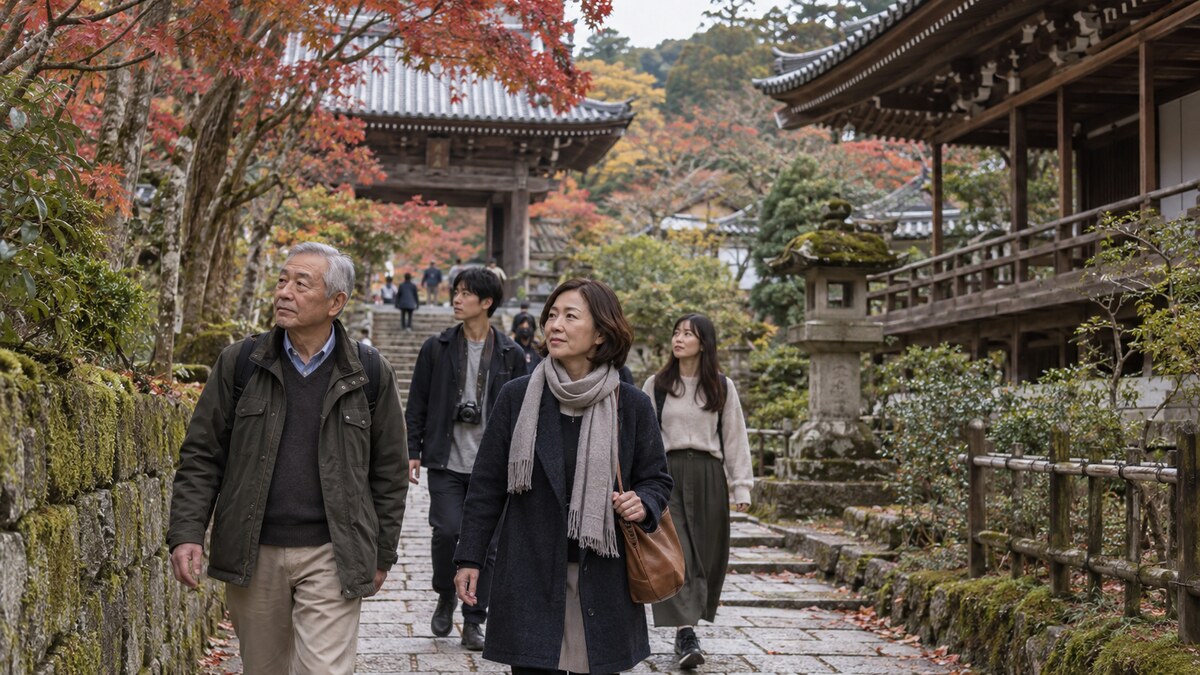
That final venue connects the new format with Zen2.0’s earlier conferences, while the surrounding program points toward a broader civic interpretation of mindfulness. Kamakura’s temples, cultural spaces and local community are not treated merely as background. They form part of the event’s attempt to place inner practice in conversation with social relationships, culture and the everyday life of a city.
A tenth year with a wider frame
Zen2.0 describes its current direction as a shift from an event into a daily movement. Its longer term aim is to connect inner peace with social harmony while working across national, cultural and professional boundaries. The citywide week gives that ambition a tangible local form without abandoning the organization’s roots in Zen and mindfulness.
For retreat leaders and contemplative event organizers, the development offers a different model from the destination retreat or conventional conference. It uses a network of local hosts, varied venues and several days to create multiple points of entry. The November program will show how that distributed approach works in practice as Zen2.0 begins its second decade.
Source: Zen2.0
Web: https://www.zen20.jp/en/news/news2026001