
Personal growth has a habit of arriving dressed as a major project. Fix the house, organise your life, calm your nervous system, become healthier, practise more consistently. No wonder even good intentions can feel exhausting.
Today’s three picks offer a less dramatic route. One begins with a notebook, another separates useful nervous-system habits from internet hype, and the third asks what changes when movement becomes a way of listening to the body. None promises a new life by Friday. All three offer something concrete enough to try.
I Was Disorganised and Overwhelmed. Could a Daily To-Do List Turn My Life Around?
Sammy Gecsoyler, The Guardian. Published October 4, 2026.
A dusty copy of Alvin and the Chipmunks is an unlikely beginning for a personal-growth experiment, which is precisely why this piece works. Gecsoyler notices the unwanted Blu-ray on his shelf and starts looking at everything else he has postponed: clothes, cupboards, finances, emails, exercise and food. The sheer volume has made him feel defeated before starting.
For a month, he uses a daily list to bring some order to the mess. The experiment is funny and imperfect. He writes down basics such as breakfast, makes a wildly unrealistic holiday list, abandons the notebook while ill, tries an app and discovers that opening his phone leads him towards other distractions. By the end, the important result is not a spotless flat. It is a greater sense that the backlog is workable.
A psychotherapist quoted in the article recommends lists that are realistic, concrete and broken into manageable steps. She also warns that lists can become destructive when they are too ambitious or used as evidence against ourselves. That balance makes the article more useful than another productivity sermon.
Try this: Choose one task you have been avoiding and write only the first visible action. “Sort finances” becomes “open the last bank statement.” “Declutter bedroom” becomes “fill one bag with clothes I no longer wear.” Stop after the step if you want. The goal is to make the entrance small enough that your mind no longer needs to fight it.
Feeling Wired? The Truth About ‘Nervous System Resets’
Hannah Coates, The Guardian. Published October 2, 2026.
“Reset your nervous system” has become one of wellness culture’s favourite promises. It can refer to slow breathing, cold plunges, humming, massage, tapping, acupressure mats and an expanding market of devices. Coates asks clinicians and researchers what the phrase actually means.
The most useful correction is simple. A healthy nervous system is not permanently calm, and experts interviewed for the piece say it does not need to be “reset.” Sympathetic activation helps us concentrate, exercise and respond to demands. The real skill is flexibility: mobilising when needed, then recovering when the demand has passed.
The article reviews evidence behind several approaches. Slow breathing can influence heart-rate variability, regular movement can support autonomic regulation, and mindfulness may help attention settle. The evidence is less convincing for many consumer devices and dramatic wellness claims. Coates also notes that cold exposure begins by activating a stress response, even if some people feel calmer afterwards.
This is reporting about general regulation practices, not medical advice or a claim that breathing can treat every stress-related condition. Persistent or severe symptoms deserve professional assessment.
Try this: After one demanding part of the day, practise five minutes of unforced, slow breathing. Let the inhale last about five seconds and the exhale about five seconds. Notice whether your body shifts without insisting that it must become calm. Think of it as practising the transition from effort to recovery, not pressing a magical reset button.
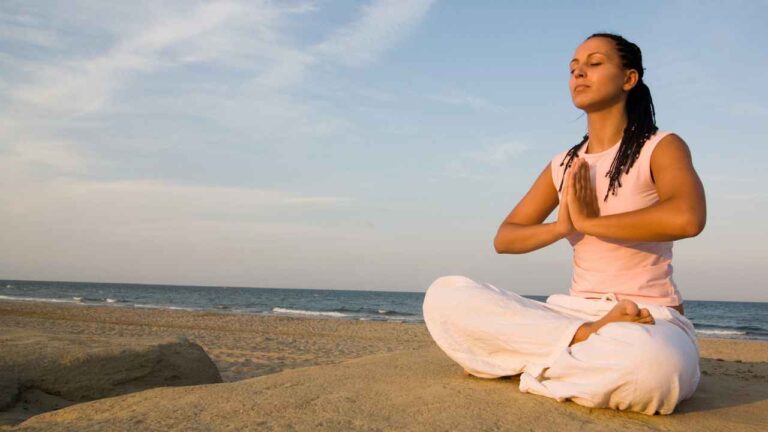
Why Does Yoga Feel Like Coming Home?
Susanna Newsonen, Psychology Today. Published October 4, 2026.
Newsonen first walked into a yoga studio at 16 and felt something in her settle, only to discover that the studio did not admit students under 18. It took years, a difficult breakup and a series of less-than-perfect classes before she found a home practice that stayed with her.
The essay combines that personal history with research on interoception, mobility, stress and self-compassion. The studies she cites suggest that yoga may support body awareness and stress reduction, though results depend on the person, practice and research design. Her deeper point is experiential: yoga changed when she stopped asking only what her body could do and started asking what it needed.
That question travels well beyond yoga. Many routines become rigid because we keep performing yesterday’s plan despite today’s condition. Self-discipline matters, but so does the ability to notice whether we need strength, movement, rest or a gentler version of the practice.
Try this: Before your next exercise or meditation session, pause for 30 seconds. Notice your breathing, energy and any area of tension. Then change one element of the session in response. Make it shorter, slower, stronger or more spacious. This is not permission to avoid every challenge. It is a small practice in telling the difference between useful effort and automatic pushing.
A small list, a deliberate recovery period and one honest check-in with the body are not dramatic transformations. That is their advantage. Pick the idea that feels usable today and leave the others for another time. Growth does not become more real because it exhausts you.
Visit Transform Wire’s Editor’s Picks for more worthwhile reading and practical ideas for living with greater attention.